Everyday Nutrition Habits

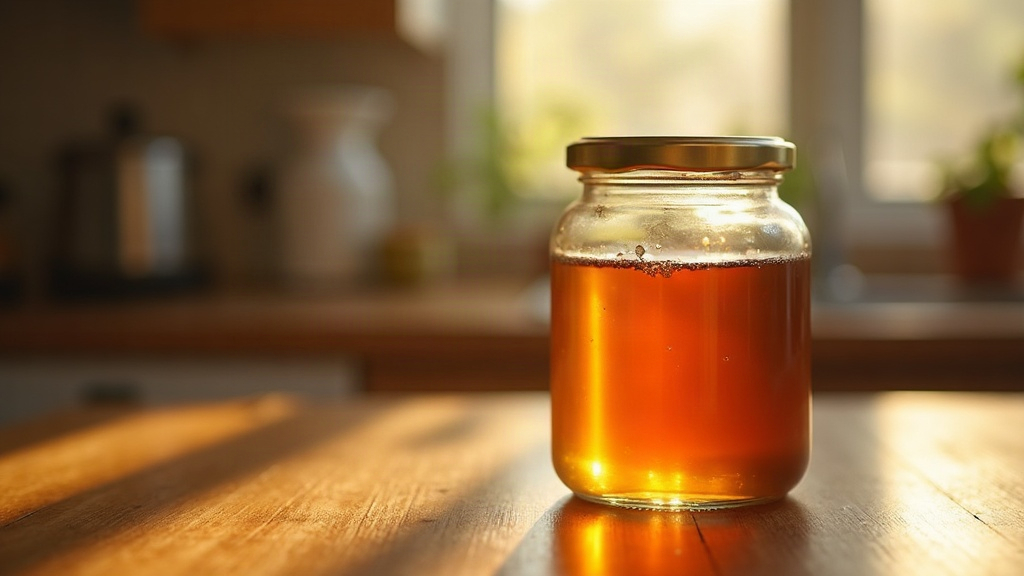
Inside the Quiet After-Meal Ritual Behind Biblical drink (oil)/ Honey blend

It’s a little past two in the afternoon, the lunch dishes are still in the sink, and the question of what to eat next is already looming. This short video looks at the old kitchen tradition of Biblical drink (oil)/ Honey blend and the herbal tea ritual that often followed a meal — as a piece of culinary history, not a medical claim.

Everyday Nutrition  ·  Daily Habits  ·  Educational Content  ·  Everyday Nutrition

The Rhythm of a Day Spent Watching What You Eat

For anyone keeping an eye on blood sugar as part of daily life, certain moments repeat themselves — quietly, almost every day.

The Afternoon Slump

The hour after lunch can feel like a small rollercoaster — a burst of energy followed by a heavy, foggy stretch that makes the rest of the workday feel longer than it is.

Mornings That Start Heavy

Some days begin already tired, before the coffee, before the commute — leaving little room to think carefully about breakfast.

Too Many Opinions, Too Little Clarity

Every article, relative and well-meaning friend seems to have a different rule about carbs, sugar or portions — and the advice rarely agrees.

The Weight of Every Decision

Deciding what goes on the plate three times a day, every day, can turn a simple meal into a small daily negotiation.

Myths and Facts Worth Sorting Out

A few ideas about food and blood sugar circulate so often they start to sound like settled facts. Here’s a closer look at three of them.

MYTH

All carbohydrates behave the same way in a meal.

FACT

Carbohydrates vary widely depending on fiber content, preparation and what they’re paired with on the plate.

MYTH

Fruit is something people watching their sugar intake should avoid entirely.

FACT

Whole fruit has been part of traditional diets for generations; portion size and pairing tend to matter more than the fruit itself.

MYTH

There is a special category of ‘diabetic food’ that is automatically the safe choice.

FACT

There isn’t a magic label that makes a food appropriate on its own — most traditional eating guidance points back to balance, variety and portion rather than a diabetic-specific product.

Three Everyday Habits Some Households Return To

None of the following replaces medical guidance — these are simple, low-effort habits worth mentioning to the doctor or dietitian who already follows your care before making any real changes to your routine.

01

Order on the Plate

Some traditional approaches favor eating vegetables and protein before starchier foods on the same plate, simply as a matter of sequence rather than restriction.

02

The Pace of the Meal

Slowing down, chewing thoroughly and giving a meal its own unhurried time is an old habit found across many food cultures, not a modern invention.

03

A Short Walk After Eating

In many households, a brief, easy walk after the main meal of the day has long been treated as simply part of the meal itself — a pause before returning to the rest of the day.

Where Biblical drink (oil)/ Honey blend Comes From

Long before nutrition labels existed, oil and honey appeared together on tables across the Mediterranean and parts of the Middle East, often poured over warm bread or stirred into a drink served at the close of a shared meal. Old texts and travelers’ accounts describe this pairing less as a remedy and more as a gesture — something offered to a guest, or kept in the kitchen as a matter of custom passed from one household to the next. Herbal infusions frequently followed the same rhythm: brewed after the plates were cleared, sipped slowly while the table lingered a little longer before everyone returned to their day.

What stands out historically is the pause itself — the after-meal ritual of sitting a little longer over something warm — rather than any single ingredient. As with any addition to a daily routine, it’s worth mentioning to the healthcare provider who already follows your care.

Everyday Signals Worth Bringing Up With Your Doctor

Energy That Swings Sharply During the Day

Noticeable highs and lows in energy, especially around meals, are worth describing in detail to the doctor who already follows your care.

Thirst or Dry Mouth That Lingers

Thirst that doesn't go away with a glass of water is a pattern worth mentioning at your next appointment, rather than working around on your own.

Changes in Skin or Slow-Healing Spots

Any change in skin healing time is best evaluated directly by a healthcare professional who can look at the full picture.

Mood or Focus Shifts Around Mealtimes

If concentration or mood consistently dips around certain meals, it's worth raising with your doctor rather than guessing at the cause.

Unexplained Changes in Weight

Weight changes that aren't tied to any deliberate effort are always worth a conversation with the professional who tracks your health over time.

Family History Not Yet Discussed

If blood sugar concerns run in the family and haven't come up in conversation with your doctor, that's a worthwhile topic for your next visit.

Notes on Everyday Routines

Getting into a rhythm with meals made the day feel less chaotic. Adding a warm drink after dinner became a small, calm moment I looked forward to.

Renata Souza
Illustrative account
I used to overthink every plate. Slowing down and thinking about the order of what I ate helped meals feel less like a puzzle.
Daniel Okafor
Illustrative account
The short walk after dinner became a habit before I even noticed. It's a small thing, but it changed how the evenings feel.
Meredith Callahan
Illustrative account

These reflections describe personal routines and are shared for illustrative purposes only. They are not a guarantee of any outcome, and individual experiences vary. This content does not evaluate or comment on any medical result, diagnosis or treatment plan. Always consult your doctor before changing your diet, routine or any prescribed treatment.

Watch the Full Story Behind This Everyday Habit

See how an old kitchen tradition and a few simple meal habits fit into an everyday routine. This video is educational and does not replace medical guidance — always talk with your doctor before changing your diet, routine or any prescribed treatment.

Advertising Disclosure: This page contains sponsored content and affiliate links. We may receive compensation if you click a link or make a purchase through the links provided on this site. This helps support the operation of this website at no additional cost to you.

Content Disclaimer: This content is for educational and informational purposes only. It has not been evaluated by the FDA and is not intended to diagnose, treat, cure or prevent any disease or condition. It is not a substitute for professional medical advice, diagnosis or treatment. Always consult a qualified healthcare professional before changing your diet, routine or any prescribed treatment.

Results Disclaimer: Individual results and experiences vary. Testimonials and personal accounts shared on this page reflect individual opinions and are not a guarantee of any specific outcome or result for any reader or viewer.

© 2026 fundersclub3fdglobal.com · All Rights Reserved